AI in logistics: A transformation case study
How a logistics company cut costs by 23% using AI. No magic, just the facts.
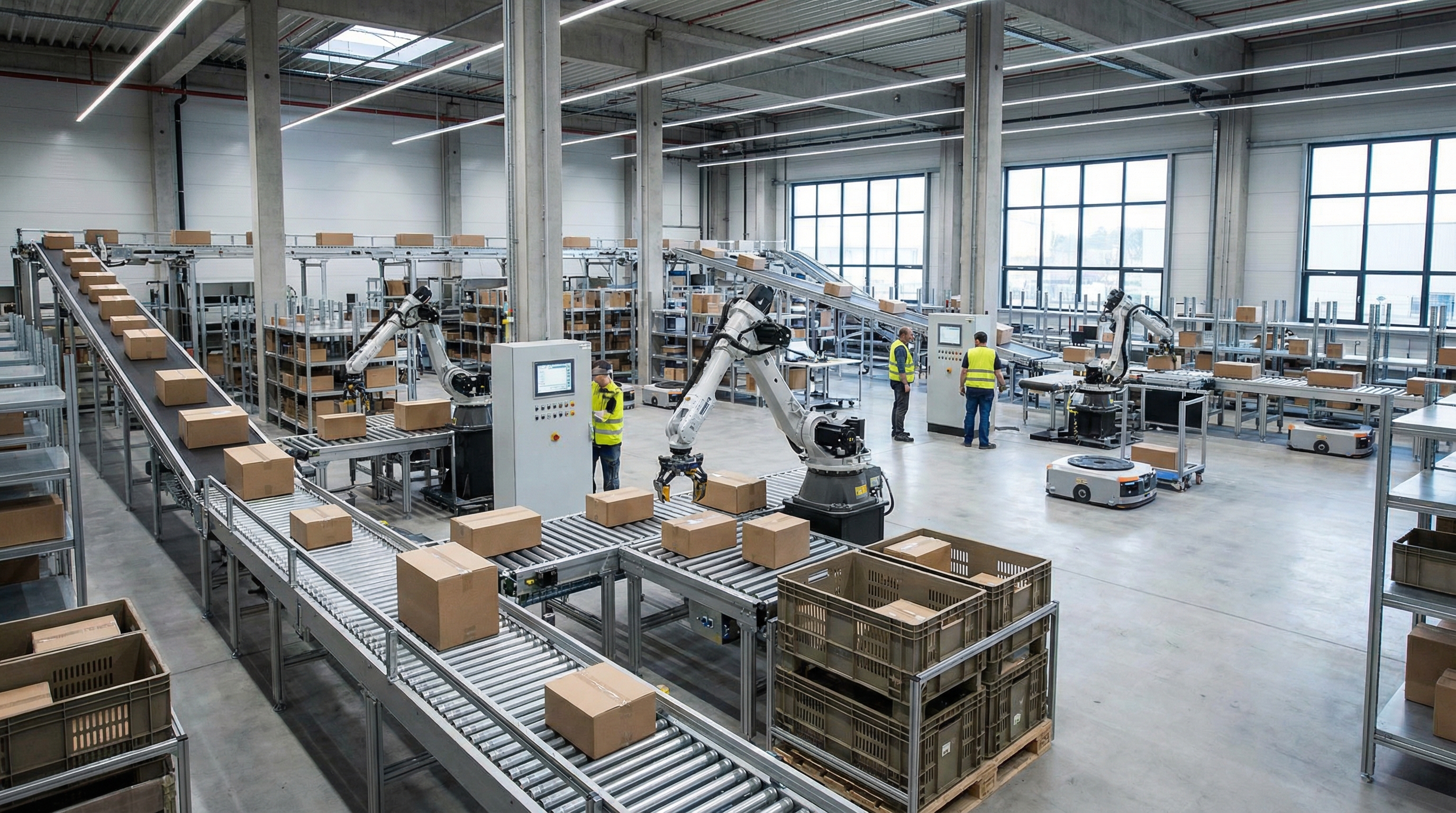
Company X (names changed) had a problem: rising transport costs, inefficient routes, and a team that spent 6 hours a day planning deliveries. After 8 months of working with AI, costs dropped by 23%.
Starting point
A logistics company, 150 vehicles, 3,000 deliveries a day. Route planning happened in Excel and in the dispatchers' heads. The experience was priceless, but it didn't scale.
PROBLEMS BEFORE IMPLEMENTATION
- • 6 hours a day spent on route planning
- • 15% empty runs
- • No real-time response to changes
- • Knowledge locked in the heads of 3 seniors
Phase 1: Understanding the problem (Weeks 1-4)
We didn't start with AI. We started by sitting with the dispatchers and watching how they worked. It turned out that 80% of decisions came down to simple rules, while 20% required experience.
That 80% is perfect territory for AI. That 20% we left to people.
Phase 2: MVP (Weeks 5-10)
Instead of building an "AI platform for logistics," we built a single tool: a route optimizer for 10 vehicles in one region.
MVP SCOPE
- ✓ Data: route history from the last 6 months
- ✓ Model: a simple optimization algorithm + ML to predict timing
- ✓ Output: suggested routes in a format the dispatchers already know
- ✓ Human in the loop: the dispatcher accepts or modifies
Phase 3: Learning (Months 3-4)
The first results were mixed. The AI suggested routes that looked optimal on paper but ignored reality: traffic jams at specific hours, clients who require a call ahead of time, weight limits on certain streets.
"The dispatchers became the AI's teachers. Every rejected suggestion was a signal to train the model."
We built a feedback loop: when a dispatcher modified a route, the model learned why.
Phase 4: Scaling (Months 5-8)
After reaching 85% suggestion acceptance in the pilot, we started scaling. Region by region, not all at once.
Every region had its own quirks. The model learned the local patterns. After 8 months, full rollout.
Results
METRICS AFTER 8 MONTHS
- Transport costs: -23%
- Planning time: from 6h to 45 min
- Empty runs: from 15% to 7%
- On-time deliveries: from 91% to 97%
What didn't work
Transparency. We tried to roll out demand prediction, but the data from clients was too inconsistent. We put it off for later.
Real-time rerouting worked in theory, but drivers didn't want to change routes mid-day. The cultural shift turned out to be harder than the technical one.
Lessons
- 1. Start with observation, not technology
- 2. An MVP is one feature, not a platform
- 3. People are part of the system, not an obstacle
- 4. Feedback loop > bigger model
- 5. Scale slowly, region by region
Summary
AI in logistics isn't magic, it's methodical work. Understand the problem, build a small solution, learn, scale. That 23% in savings didn't appear at the push of a button. It appeared after 8 months of patient work.
Case study based on a real consulting project. Company name and details changed to preserve confidentiality.